
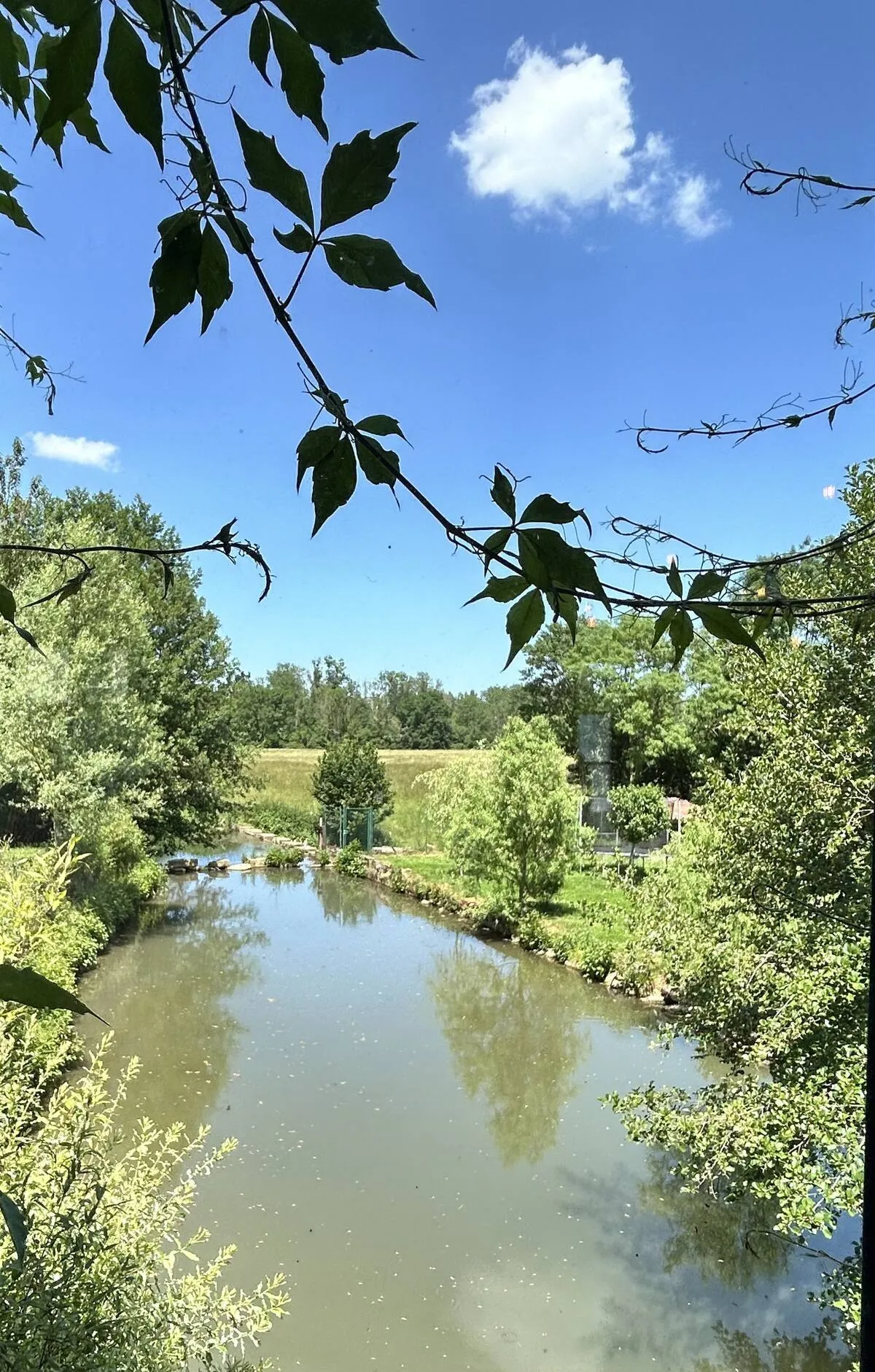

The Santenay to St Aubin trek is an unforgettable journey through the heart of Burgundy’s vineyards. While the exact length can vary depending on the specific route, it generally covers around 40 miles over four days 1. For those starting their journey from Beaune, a popular base for exploring Burgundy, it’s worth noting that Santenay is roughly 14 miles away 2.
The trek overlaps with sections of the “Voie des Vignes,” a cycle route that winds through the vineyards 2. While primarily designed for cycling, the Voie des Vignes provides valuable information for hikers as well, such as clear signage and well-maintained paths 2.
One of the highlights of this trek is the opportunity to experience the “Climats de Bourgogne,” the UNESCO World Heritage-listed vineyards that showcase the region’s unique terroir and winemaking tradition 3.
Difficulty and Terrain
The difficulty level of the trek is generally considered moderate. The terrain primarily consists of vineyards, with some sections passing through charming villages and forested areas 2. You’ll encounter a variety of soil types, including white clay-limestone soil and red soil on lava, adding to the diversity of the landscape 4.
While the route follows the slopes of the vineyards, resulting in some uneven sections, it’s important to note that the terrain’s difficulty varies 5. Some parts, particularly between Chassagne-Montrachet and Santenay, are noticeably hillier and may require a bit more effort 2.
The best time to embark on the Santenay to St Aubin trek is during the shoulder seasons, spring or fall. In the spring, the weather is pleasantly mild, and you can witness the vines coming to life with fresh growth and blossoms. Autumn offers a different kind of beauty, with vibrant colors as the leaves change, creating a picturesque backdrop for your hike 6.
Before you set off, it’s helpful to gather some navigational resources. Maps of the trek are available online and in local tourist offices, providing an overview of the route and surrounding areas. For those who prefer digital navigation, GPX files can be downloaded for use with GPS devices or smartphone apps. These files offer detailed route information, ensuring you stay on track throughout your journey 7.
Accommodation and Facilities
Accommodation options are plentiful along the trek, catering to a variety of preferences and budgets. You’ll find charming hotels, guesthouses, and even some options with luxury amenities like pools and gyms 8. It’s recommended to book your accommodation in advance, especially if you’re traveling during peak season, to secure your preferred choice 3.
While villages along the route offer restaurants and cafes where you can refuel and take a break, it’s always a good idea to carry some snacks and water with you. This is especially important for the stretches between settlements, where facilities may be limited.
Proper equipment is essential for a comfortable and enjoyable trekking experience. Here’s a list of items to consider packing:
- Comfortable hiking shoes: You’ll be covering a considerable distance on foot, so comfortable and supportive footwear is crucial.
- Layers of clothing: The weather in Burgundy can be unpredictable, so be prepared for changing conditions by packing layers that you can easily add or remove as needed.
- Hat: A hat will protect you from the sun and rain.
- Sunscreen: Protect your skin from the sun’s rays, especially during the warmer months.
- Reusable water bottle: Stay hydrated throughout your trek by carrying a reusable water bottle. Refill it whenever you come across a water source.
- First-aid kit: It’s always wise to carry a basic first-aid kit for minor injuries or ailments that may occur during the trek 9.
This itinerary provides a balanced approach to the Santenay to St Aubin trek, allowing you to enjoy the highlights of the region at a comfortable pace.
Day 1: Santenay to Chassagne-Montrachet (approximately 8 miles)
- Begin your journey in Santenay, exploring the historic château and the remnants of ancient thermal baths.
- Hike through the vineyards, taking in the scenic beauty of the “Clos de Tavannes” and “Gravieres” Premier Cru vineyards.
- Arrive in Chassagne-Montrachet, known for its prestigious white wines.
- Consider a visit to a local winery for a tasting or tour.
Day 2: Chassagne-Montrachet to Puligny-Montrachet (approximately 6 miles)
- Continue your trek through the vineyards, passing by the renowned “Montrachet” grand cru vineyards.
- Enjoy a break in Puligny-Montrachet, another village famous for its Chardonnay wines.
- Explore the charming streets and admire the traditional architecture.
Day 3: Puligny-Montrachet to Saint-Aubin (approximately 4 miles)
- Hike through more picturesque vineyards, observing the different grape varieties and terroirs.
- Reach Saint-Aubin, a hidden gem with a rich winemaking history.
- Visit the Romanesque church and wander through the village’s quaint streets.
Day 4: Saint-Aubin to Santenay (approximately 14 miles)
- Embark on a longer hike back to Santenay, enjoying the diverse landscapes of the Burgundy countryside.
- Consider a detour to the nearby hamlet of Gamay, believed to be the origin of the Gamay grape variety.
- Conclude your trek in Santenay, reflecting on the beauty and charm of the region.
This itinerary can be adjusted to suit your preferences and fitness level. You can choose to shorten or lengthen certain sections, add extra days for rest or exploration, or incorporate visits to other nearby attractions.
First-hand Accounts and Reviews
Many hikers have shared their experiences on the Santenay to St Aubin trek, providing valuable insights for those planning their own adventure. One review highlights the beauty of the vineyards and the charm of the villages along the way, emphasizing the unique opportunity to immerse oneself in the Burgundy countryside 10.
Exploring the Region
Historical and Cultural Significance
The Burgundy region is steeped in history, and the Santenay to St Aubin trek offers a glimpse into its rich past. Santenay, the starting point of the trek, has a winegrowing tradition that dates back to Roman times 11. The village also features a historic château and the remnants of ancient thermal baths, adding to its cultural significance.
Saint-Aubin, the destination of the trek, is a charming village with its own historical attractions. It boasts a Romanesque church and picturesque streets that reflect its long history 12. Interestingly, the nearby hamlet of Gamay is thought to be the origin of the Gamay grape variety, a connection that will intrigue wine enthusiasts 13.
As you make your way through the vineyards and surrounding hills, you’ll encounter a variety of flora and fauna. Wildflowers add splashes of color to the landscape, while butterflies and birds flit among the vines. Keep an eye out for the distinctive local grape varieties, such as Pinot Noir and Chardonnay, which thrive in the region’s unique terroir 14.
The Santenay to St Aubin trek takes you through the heart of Burgundy’s wine country, offering ample opportunities for wine tourism experiences. The villages along the route are renowned for producing some of the world’s most sought-after wines.
In Santenay, you can visit Château de Santenay, a historic winery that produces both red and white Burgundy wines 15. The village is also known for its Premier Cru vineyards, such as “Clos de Tavannes” and “Gravieres,” which produce exceptional Pinot Noir 16.
Saint-Aubin, while less famous than its neighbors Puligny-Montrachet and Chassagne-Montrachet, is a hidden gem for wine lovers 4. The village produces excellent Chardonnay from Premier Cru vineyards like “En Remilly” and “Murgers des Dents de Chien.”
Potential Hazards and Challenges
While the Santenay to St Aubin trek is generally safe, it’s important to be prepared for potential hazards and challenges. The uneven terrain and changing weather conditions can pose difficulties, so it’s advisable to stay on marked trails and be mindful of your footing. It’s also a good idea to inform someone about your trekking plans and carry a basic first-aid kit for any minor injuries or ailments 17.
Getting to and from the start and end points of the trek is relatively easy. Santenay and Saint-Aubin are accessible by train and bus from nearby towns such as Beaune and Chagny. For those who prefer more flexibility, taxis and car rentals are also available 18. If you’re looking to shorten your return journey, you can take a train from Chagny back to Beaune, offering a convenient alternative to hiking or cycling the entire way back 2.
Nearby Attractions and Activities
Beyond the trek itself, the Burgundy region offers a wealth of attractions and activities to explore. Wine enthusiasts can indulge in wine tastings and tours at local wineries and vineyards. History buffs can delve into the past by visiting the medieval city of Beaune, with its impressive ramparts and the Hôtel-Dieu, a former hospital with a stunning glazed tile roof 17.
The Santenay to St Aubin trek is a captivating journey that combines the joys of hiking with the cultural and historical richness of the Burgundy region. Whether you’re an experienced hiker or simply seeking a scenic adventure, this trek offers an unforgettable experience. From the world-renowned vineyards to the charming villages and rolling hills, every step of the way is filled with beauty and discovery.
Start planning your Santenay to St Aubin trek today and prepare to be enchanted by the heart of Burgundy! You can find more information on the official tourism websites for Santenay 19 and Saint-Aubin 20.