
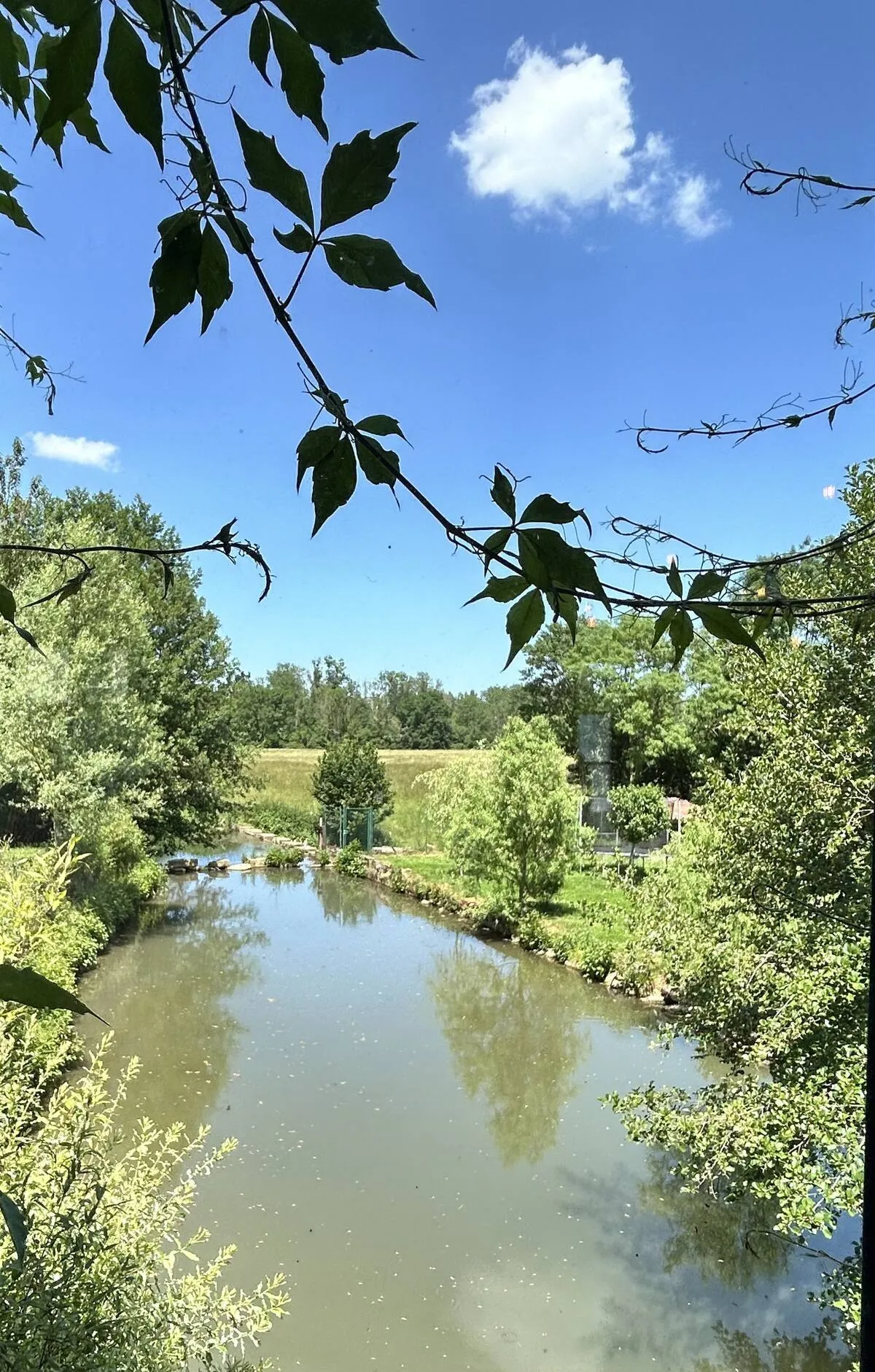

In this article, we will explore every facet of this mesmerizing location—from its geological formation to practical tips on how to get there and make the most out of your visit. Whether you’re a seasoned hiker or a casual stroller, traveling solo or with family, you’ll find everything you need to plan your own “journey to the end of the world.” Prepare for a professional yet enthusiastic deep dive into one of Burgundy’s most remarkable natural landscapes.
1. Understanding the Cirque du Bout du Monde
The Cirque du Bout du Monde is a natural depression formed by the erosion of limestone over thousands of years. The water from the Cozanne stream carved its way through the rock, creating a semicircular cliff face that culminates in a small but scenic waterfall known as the Cascade du Bout du Monde. Standing within this circular gorge, you’ll feel as though you’ve arrived at the end of the Earth—hence its name.
- Elevation : The cliffs around the cirque can reach heights of approximately 40 to 50 meters.
- Rock Type : The predominant rock is limestone, which is typical of this part of the Côte d’Or region in Burgundy.
A Biodiversity Hotspot
Thanks to the combination of water, cliff faces, and varying altitudes, the area is also rich in flora and fauna. If you visit during spring or summer, expect to see a tapestry of wildflowers growing alongside the trail and perhaps spot small mammals and birds nesting among the crags. The presence of water, limestone caves, and woodland areas means a range of ecosystems converge here, making it an ideal spot for nature lovers.
2. Location and How to Get There
Where Is It Exactly?
The Cirque du Bout du Monde is located in the département of Côte-d’Or, within the Bourgogne-Franche-Comté region of eastern France. It sits a few kilometers from the charming market town of Nolay, which is roughly 25 kilometers southwest of Beaune.
Transportation Options
- By Car : This is the most convenient way to access the site. From Beaune, drive southwest along the D973 until you reach Nolay. From there, small local roads lead to parking areas where you can start the hike.
- By Public Transport : While public transportation in rural Burgundy can be limited, you can sometimes find bus routes from Beaune to Nolay, especially during the tourist season. Be sure to check local schedules in advance.
- By Bike : The region is known for its Voie Verte (Greenways), which are former railway tracks converted into cycling paths. If you are an avid cyclist, you could pedal part of the way, then lock your bike in Nolay before proceeding on foot.
Two main parking areas are commonly used by visitors heading to the Cirque. They are located at the edge of the forest, about 1 to 2 kilometers from the waterfall. In peak season (July and August), spots can fill up quickly, so arriving early or in the late afternoon might help you avoid crowds.
3. The Hike Itself: From Nolay to the End of the World
Main Trail Description
The most popular route starts near Nolay, where you can follow clearly marked paths leading through gentle meadows and into wooded terrain. Here’s a brief overview of what to expect:
- Forest Entry : A tranquil walk beneath beech and oak trees. The path is generally well-maintained, though it can become muddy after rainfall.
- Approach to the Cirque : As you get closer, you might notice the distant sound of water falling over rocks. The gradient becomes a bit steeper, and rocky outcroppings appear.
- Reaching the Cascade : The final stretch approaches the waterfall—a picturesque scene where water cascades into a shallow pool.
- Cirque Amphitheater : For the more adventurous, there are small trails that lead to the top of the cliffs. Exercise caution if you choose to ascend; the paths can be slippery, and certain sections are not officially maintained.
- Distance : Roughly 4 to 5 kilometers round trip from the main parking area.
- Duration : Around 2 to 3 hours, depending on your pace and how long you linger to enjoy the scenery.
Difficulty : Easy to moderate. Families with children can complete the walk, though strollers are not advisable due to uneven ground.
Side Trails and Extensions
For those seeking a longer day out, additional side trails branch off around the cirque. Some lead through vineyards or pass by other natural features, such as small caves and viewpoints. Make sure to have a good map or a hiking app to avoid getting lost, as signage can be minimal on these less frequented paths.
4. What to See Along the Way
Nolay: Gateway to Adventure
Before or after your hike, take a moment to explore Nolay. This small town boasts picturesque medieval architecture, half-timbered houses, and a 14th-century market hall that still hosts local stalls. Nolay’s central square, dotted with cafes, is the perfect place to enjoy a leisurely coffee or a quick lunch before heading into nature.
Vineyards and Terroir
This part of Burgundy is famous for its wines. Although Nolay itself isn’t one of the major appellations, you’re just a stone’s throw away from some of the most renowned vineyards in the world (like those in Beaune, Pommard, and Meursault). Don’t be surprised if your hike takes you past neatly maintained rows of vines—a testament to Burgundy’s deep-rooted wine culture.
- Wildflowers : In spring, expect primroses, anemones, and even orchids in the sunnier clearings.
- Birdlife : Keep an eye out for kestrels, hawks, and smaller songbirds flitting between the trees.
- Mammals : Roe deer are not uncommon, though they can be quite shy. You may also spot foxes or badgers near dawn or dusk.
5. Geological Highlights
The Limestone Formations
Burgundy’s geological story is rich and varied. Over millions of years, sedimentation in ancient seas led to the formation of limestone. This rock is relatively soft and soluble in water, making it prone to erosion. The Cirque du Bout du Monde stands as a compelling case study in how water can sculpt dramatic landscapes from this rock type.
The waterfall, though modest in size compared to alpine or tropical waterfalls, has a unique appeal due to its location in a natural amphitheater. In wetter months (especially spring), the flow is stronger and more audible. During a dry summer, the cascade might reduce to a gentle trickle, but the setting remains enchanting.
6. Best Times of Year to Visit
- Pros : Cool temperatures, vibrant wildflowers, and the waterfall is usually at its fullest.
- Cons : Unpredictable weather, with occasional rain showers.
Summer (June–August)
- Pros : Long daylight hours, dry trails, and the chance to combine hiking with visits to local wine festivals.
- Cons : Can be hot and more crowded, especially in July and August.
Autumn (September–November)
- Pros : Stunning foliage as the leaves turn orange and gold, pleasant hiking weather, and the harvest season in nearby vineyards.
- Cons : The waterfall may have less flow, particularly if the summer has been dry.
Winter (December–February)
- Pros : Fewer tourists, a peaceful atmosphere, and potential for magical frost or snow cover.
- Cons : Slippery trails, cold temperatures, and limited daylight hours.
7. Practical Tips for a Smooth Visit
Footwear and Clothing
Opt for sturdy hiking boots or comfortable walking shoes with good traction. Layers are key—mornings in Burgundy can be brisk, even in summer, while afternoons can heat up quickly. Pack a light waterproof jacket if rain is in the forecast.
Although the hike is relatively short, bring sufficient water, especially in summer. A small picnic can be delightful—a baguette, local cheese, and some fruit make for a memorable meal amid nature.
- Stay on Marked Trails : Some areas near the cliff edges are not secured by barriers.
- Mind the Weather : Heavy rain can make trails slippery.
- Mobile Phone Coverage : It can be patchy in the gorge. Let someone know your route, especially if hiking solo.
The Cirque du Bout du Monde is part of a protected environment, so ensure you take all your trash with you and refrain from picking wildflowers or disturbing wildlife. Respect private property signs when crossing vineyards or farmland.
8. Cultural and Historical Context
Wine Culture in Burgundy
Burgundy’s status as a world-class wine region impacts even the smallest villages. Historically, monastic orders like the Cistercians meticulously mapped out parcels of land, leading to the famous “climat” system of terroir-based wine classification. While Nolay isn’t a top-tier appellation, many local families have centuries of experience in viticulture.
Nolay’s Medieval Heritage
Nolay’s 14th-century market hall is emblematic of the region’s medieval prosperity. Built of wood and stone, it reflects the significance of trade in feudal Burgundy. Markets are still held here, connecting past and present in a unique atmosphere.
For those keen on delving deeper into history, a visit to nearby Beaune is recommended. With its world-renowned Hospices de Beaune (Hôtel-Dieu) and remarkable fortifications, Beaune is a cultural powerhouse just a short drive from Nolay.
9. Beyond the Cascade: Other Nearby Attractions
Château de La Rochepot
This fairy-tale château with polychrome roofs lies roughly 10 kilometers from Nolay. Surrounded by forest, it offers guided tours that reveal the intriguing story of the castle’s medieval origins and later restorations.
The Vineyards of the Côte de Beaune
Drive or bike north to explore wine-producing villages such as Meursault, Pommard, and Volnay. Each boasts cellars where you can sample the region’s famous Pinot Noir and Chardonnay.
This is a well-marked cycling and hiking route that meanders through vineyards between Beaune and Santenay, passing near Nolay. If you have time, it’s a wonderful way to see more of Burgundy’s wine country at a leisurely pace.
10. Accommodation and Dining
- Chambres d’hôtes (Bed & Breakfasts) : Many families in Nolay and surrounding areas rent out rooms in traditional Burgundian houses. Expect hearty breakfasts featuring local breads, jams, and cheeses.
- Gîtes (Holiday Rentals) : For more independence, consider renting a gîte—often a cottage or apartment. It allows you to cook your own meals, which can be a cost-effective option.
- Boutique Hotels : If you prefer comfort and a range of services, there are small hotels and inns with a friendly, local vibe.
Burgundy is renowned for its culinary prowess. While you might be venturing “to the end of the world,” you won’t be cut off from delicious cuisine. In Nolay, you’ll find small restaurants serving regional classics such as:
- Boeuf Bourguignon : Beef slow-cooked in red wine, mushrooms, and onions.
- Escargots de Bourgogne : Snails cooked in garlic butter.
- Fromage de Chèvre : Local goat cheese, often served as part of a cheese board.
- Pain d’Épices : A traditional spiced bread or cake, perfect for an afternoon treat.
Pair your meal with a glass of Burgundy wine and you’ll have the recipe for a perfect evening.
11. Family-Friendly Activities
If you’re traveling with children, look for interpretive signs near the Cirque du Bout du Monde. Sometimes, local associations set up nature-themed boards explaining the geology, plants, and animals of the area in a simple, engaging manner.
Near the waterfall, there are flat areas suitable for picnicking—just remember to pack out everything you bring in. With the sound of cascading water and the shelter of towering cliffs, few settings are as memorable for a family lunch.
Not all kids can handle a multi-hour hike. Some shorter loop trails near the parking area or Nolay’s town center can offer a taste of the region without the full commitment of the main hike. These loops might pass through farmland, small forests, or quiet country lanes—ideal for toddlers or anyone wanting a brief walk.
12. Photography Tips
Capturing the Waterfall
If you’re aiming to photograph the Cascade du Bout du Monde, consider bringing a tripod to experiment with long exposure shots. This can blur the flowing water and create a dreamy effect.
The soft light just after sunrise or before sunset can enhance the limestone cliffs, bringing out their golden hues. Plan your stroll accordingly if you’re keen on getting postcard-perfect images.
For capturing the full scope of the cirque, a wide-angle lens is useful. From the base looking up, you can emphasize the circular shape of the limestone walls and the expansiveness of the space.
13. Responsible Tourism and Local Support
Supporting Local Businesses
Opting to stay in family-run accommodations, eat in locally owned restaurants, and purchase goods from local markets helps sustain the region’s economy. Many of these enterprises rely on tourism to preserve the authentic charm that visitors love.
Conservation Efforts
The Cirque du Bout du Monde is part of a protected natural site. Ongoing efforts by local authorities and environmental groups seek to maintain its ecological balance and prevent degradation from overtourism. By following Leave No Trace principles—properly disposing of waste, staying on marked paths, and respecting wildlife—each visitor plays a role in preserving this treasure for future generations.
A stroll to the “end of the world” near Nolay is far more than a catchy phrase—it’s an immersive journey into the natural and cultural tapestry of Burgundy. The Cirque du Bout du Monde offers a tranquil retreat where you can reconnect with nature, witness millennia of geological history, and sample the region’s rich wine and cuisine traditions.
Whether you come for a day trip from Beaune, stay a weekend in Nolay, or embark on a broader tour of the Burgundy vineyards, this spot should be on every traveler’s itinerary. Its accessible trails, dramatic landscapes, and close proximity to other regional attractions make it a perfect destination for hikers, families, and wine enthusiasts alike.
So, lace up your hiking boots, grab your camera, and prepare to be enchanted. The “end of the world” awaits—ready to reveal a side of Burgundy that many tourists overlook, but few who visit ever forget.