In this article, you’ll learn how to craft the perfect Burgundy itinerary that balances wine tasting, cultural immersion, and scenic tranquility. We’ll spotlight how Beaune and Chagny, conveniently situated on major travel routes, grant you quick access to some of the finest pinot noir and chardonnay terroirs in the world. Whether you’re a first-time visitor or an experienced oenophile, these tips will ensure you leave with a deeper appreciation of Burgundy’s heritage—and perhaps a few bottles of exceptional wine to enjoy at home.
Why Choose Beaune and Chagny?
Beaune is often considered the wine capital of Burgundy, and for good reason. It sits in the heart of the Côte d’Or, home to revered appellations such as Pommard, Meursault, and Volnay. With direct train connections to major French cities, it’s an accessible town to reach even if you don’t have a car. From Beaune’s train station, you can hop in a taxi or rent a bike to start your vineyard-hopping adventure.
Chagny, located just 20 kilometers south of Beaune, offers a more local experience. Less frequented by tourists, it serves as a modest yet strategic gateway to the Côte Chalonnaise and the southern stretches of the Côte de Beaune. The train station in Chagny has direct links to regional lines, and the town is also a popular stop along Burgundy’s “Voie Verte” cycle paths. If you prefer a quieter setting with equally splendid access to vineyards, Chagny is a hidden gem worth considering.
While Beaune impresses visitors with its medieval architecture, lively Saturday market, and the famous Hospices de Beaune, Chagny presents an entirely different vibe: modest squares, local bistros, and a pace of life that invites you to slow down. Having both towns on your itinerary ensures you experience Burgundy’s range—from the bustling energy of a regional hub to the authentic charm of a lesser-known community.
Getting There and Around
- From Paris : High-speed trains (TGV) run from Paris-Gare de Lyon to Dijon in about 1 hour 40 minutes. Then, a short local train (TER) or bus ride brings you to Beaune or Chagny.
- From Lyon : A local TER train from Lyon Part-Dieu takes around 1 hour 40 minutes to Beaune or Chagny, depending on your route.
- Regional Connections : Both Beaune and Chagny sit on a route connecting Dijon and Chalon-sur-Saône, making them well-served by smaller regional trains.
Having your own car unlocks the freedom to roam the vineyards at your leisure. Rental agencies are available in major cities like Dijon, Lyon, and even Beaune itself. Keep in mind that parking can be scarce in medieval town centers, but most lodging options in the countryside offer ample parking.
Burgundy has an extensive network of cycle paths, known as “Voies Vertes,” making it a haven for cyclists. You can rent bikes in Beaune or Chagny and follow signposted routes that lead you through picturesque vine-laden lanes, past small châteaux, and into the heart of wine villages. This eco-friendly approach also allows you to savor the scents and sounds of the region at a more leisurely pace.
Beaune: The Beating Heart of Burgundy
Explore the Historic Center
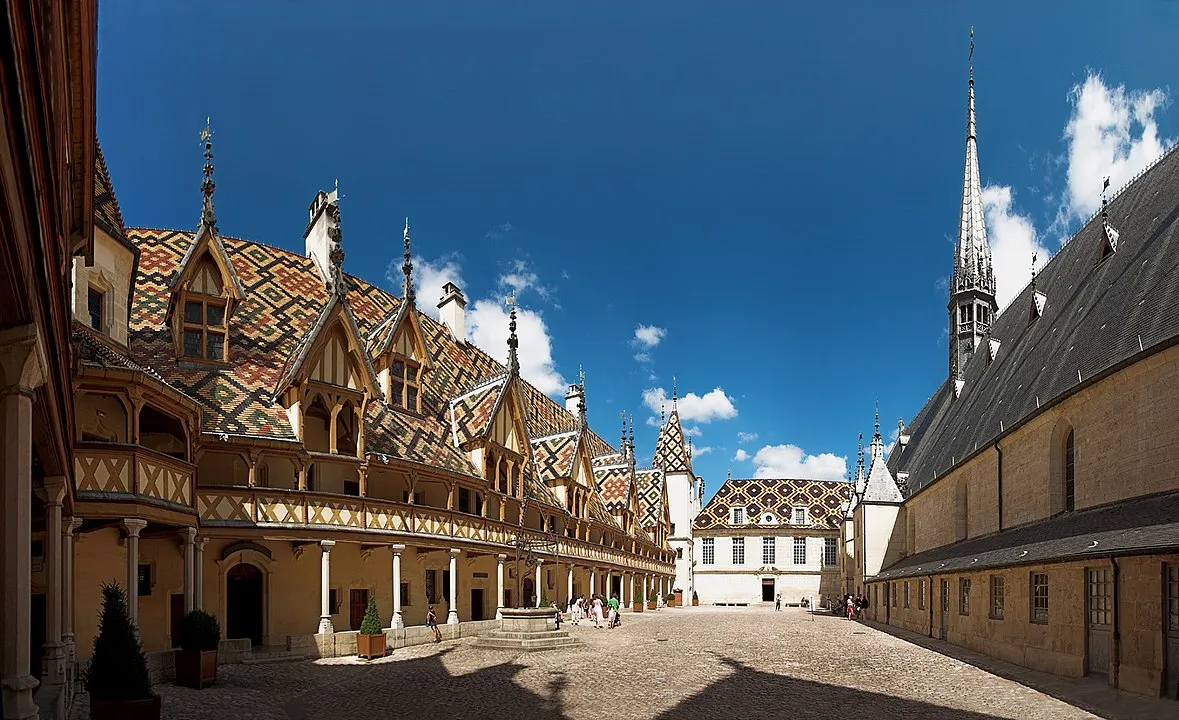
Beaune’s old town, enclosed by partial ramparts, feels like a step back in time. Cobbled streets lead past half-timbered houses, chic boutiques, and inviting wine caves. The Hôtel-Dieu , or Hospices de Beaune, is the town’s star attraction. Founded in the 15th century as a charitable hospital, this architectural marvel features a striking polychrome-tiled roof that has become iconic in Burgundy. Don’t miss the chance to peek inside its grand courtyard and visit the museum showcasing historical medical tools and the world-famous auction hall, where wine from the Hospices’ vineyards is sold annually to support local charities.
Sample Local Gastronomy
Beaune thrives on culinary excellence. You’ll find traditional bistros serving escargots de Bourgogne , boeuf bourguignon , and coq au vin alongside more modern establishments experimenting with seasonal fare. No trip here is complete without visiting the bustling Saturday market, held around Place de la Halle. Stock up on local cheeses, fresh produce, cured meats, and, of course, wine. The market is an immersive peek into the region’s gastronomic heart.
Wine Bars and Cellars
Stroll down Rue de l’Hôtel-Dieu or Rue Maufoux, and you’ll encounter an array of wine shops and tasting rooms. Many caves offer guided tastings, where an expert will walk you through the nuances of terroir, grape variety, and appellation differences. This is a great opportunity to refine your palate and pinpoint which vineyards you might want to visit next.
Chagny: A Gateway to Southern Vineyards
Quaint Streets and Local Life
While smaller and less touristic than Beaune, Chagny is brimming with authentic charm. A stroll through the town center reveals modestly adorned facades, local boulangeries, and family-run shops. Look out for the Sunday market in Chagny, which is smaller than Beaune’s but just as appealing for regional produce and homemade goodies.
A Star-Studded Culinary Scene
Surprisingly for a town of its size, Chagny boasts a Michelin-starred restaurant: Maison Lameloise . Celebrated for its refined approach to classic Burgundy cuisine, it’s a must-try if you’re seeking an extraordinary gastronomic experience. Reservations are essential, often weeks in advance.
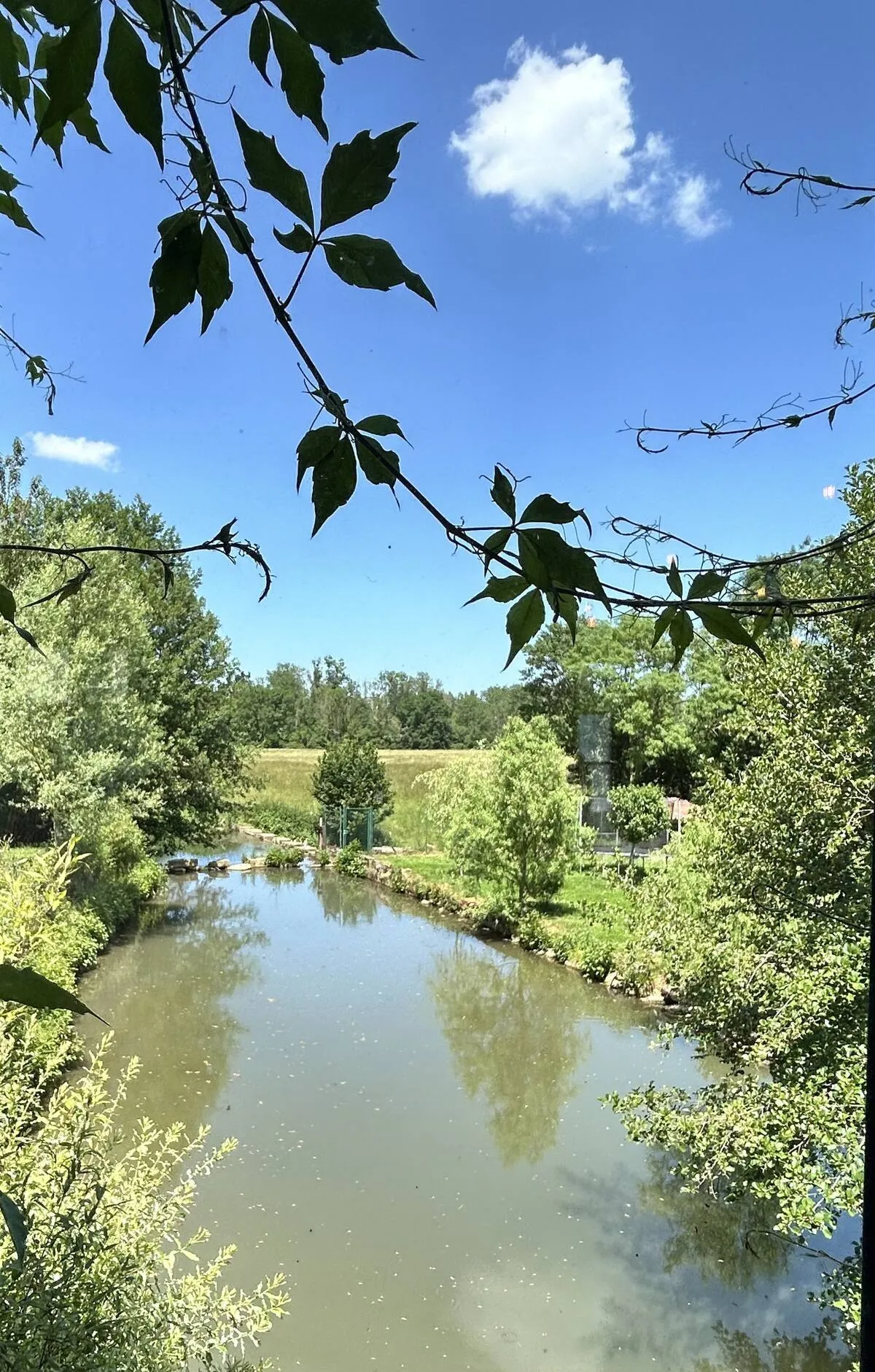
Chagny is situated near the Canal du Centre, making it a good spot for a waterside stroll or a relaxed picnic. Watch canal boats glide by as you sip a glass of local aligoté or munch on local cheese. The town’s accessible location means you’re never more than a short drive or bike ride away from the renowned vineyards of Rully, Mercurey, and beyond.
Iconic Vineyards Near Beaune & Chagny
Côte de Beaune Highlights
- Meursault : Known for some of the world’s finest white wines. The village itself is picture-perfect, with a stunning 15th-century church and a row of elegant winemaker’s houses.
- Pommard : Famed for its robust pinot noir, rich in tannins and complex notes of red fruit. Explore narrow streets lined with stone walls and spot the occasional carriage from a local domaine.
- Volnay : Often considered the “feminine” counterpart to Pommard, Volnay wines are prized for their aromatic finesse. The rolling vineyards around the village make for delightful walking routes.
Côte Chalonnaise Gems
- Mercurey : This appellation produces both reds and whites, but it’s the pinot noir that truly stands out. Expect red fruits, spice, and the potential to age gracefully.
- Rully : Home to sparkling Crémant de Bourgogne as well as still wines. Rully is a great option if you love bubbles but don’t want to splurge on Champagne.
- Givry : A small yet charming wine village whose pinot noir is often described as fruit-forward and accessible in its youth.
Crafting Your Day-to-Day Itinerary
Day 1: Arrival in Beaune
- Morning : Check into your hotel near Beaune’s center. Begin with a coffee and pastry at a local café, letting the town’s ambiance wash over you.
- Late Morning : Tour the Hospices de Beaune and snap photos of the iconic courtyard.
- Lunch : Indulge in a plat du jour at a traditional bistro. Try local specialties like escargots or a cheese plate featuring Epoisses, Comté, and goat cheese.
- Afternoon : Explore Beaune’s wine shops for a casual tasting or book a guided cellar tour.
- Evening : Stroll the medieval streets at sunset, then enjoy dinner at a wine bar like La Dilettante or Le Bistro des Cocottes.
Day 2: Vineyard Hopping from Beaune
- Morning : Rent a bike or car for a scenic ride along the Route des Grands Crus .
- Late Morning : Stop in Pommard or Volnay for a wine tasting . Many domaines require advance booking, so plan ahead.
- Lunch : Pack a picnic of local bread, cheese, and charcuterie to enjoy among the vines (respecting private property signs, of course).
- Afternoon : Proceed to Meursault for a tasting of its world-class chardonnays. The picturesque village center is an ideal spot for photos.
- Evening : Return to Beaune and savor a gourmet meal. If your budget allows, consider a splurge at a Michelin-starred restaurant like Le Benaton.
Day 3: Transition to Chagny and the Côte Chalonnaise
- Morning : Take a short train or car ride to Chagny. Check in at a local inn or B&B.
- Late Morning : Explore Chagny’s streets, perhaps visiting the local market if it’s a Sunday.
- Lunch : Book a table at Maison Lameloise for a special gastronomic experience.
- Afternoon : Drive or cycle to Mercurey for a tasting of its elegant pinot noirs. Stroll through the vineyards to truly grasp the terroir.
- Evening : Relax in Chagny, sipping Crémant de Bourgogne or a glass of premier cru red on a café terrace.
Day 4: Day Trip Through Rully and Givry
- Morning : Head to Rully. Arrange a tour of a local domaine specializing in Crémant. You’ll learn about the traditional method of sparkling wine production.
- Lunch : Enjoy a casual meal in Rully’s village square, trying a chilled bottle of Crémant or a crisp chardonnay.
- Afternoon : Drive or bike to Givry, known for producing fruity, approachable pinot noirs. Some estates offer vineyard walks, providing insight into the geology and climate.
- Early Evening : If you still have energy, continue south for a brief visit to the scenic town of Buxy. The vantage points here are spectacular, and you can catch a sunset over the vines.
- Night : Return to Chagny for dinner or retire early if you’re heading out the next morning.
Wine Tasting Tips and Etiquette
- Book in Advance : Many smaller domaines do not have walk-in tasting rooms. A short phone call or online reservation can save disappointment.
- Taste Responsibly : Although small samples are typical, the cumulative effect can sneak up on you. Share a tasting with a friend or spit if you plan to drive.
- Ask Questions : Burgundy’s classification system (village, premier cru, grand cru) can be complex. Winemakers are usually happy to explain.
- Bottle Purchases : It’s polite to buy at least one bottle if you’ve had a free tasting. You’re investing in local craftsmanship and supporting a centuries-old tradition.
Cultural Must-Sees Beyond the Vineyards
Historic Monasteries
Burgundy’s religious heritage is immense, with pivotal sites like the Abbey of Cluny a short drive from Chagny. Even if you only have a day to spare, the remaining tower and cloisters evoke the grandeur of what was once Europe’s largest church.
Châteaux and Castles
From medieval fortresses to Renaissance-era estates, Burgundy boasts an impressive array of châteaux. Château de La Rochepot , perched on a limestone outcrop near Beaune, stands out for its fairytale-like appearance and vibrant tiled roof.
If you need a break from wine tasting, consider hiking or kayaking along the Saône River. The gentle countryside is also perfect for horseback riding, offering a unique vantage point from which to survey the vineyards.
- In Beaune : Opt for a charming boutique hotel in the historic center, such as Hôtel Le Cep, known for its medieval courtyard and personalized service.
- In Chagny : Look for family-run B&Bs or smaller inns that capture the region’s warmth. Maison Lameloise also has rooms for those seeking a luxury stay.
- Countryside Retreats : Many wine estates offer chambres d’hôtes (guest rooms) in renovated farmhouses, granting you the chance to wake up amidst vineyards.
Gastronomy Highlights
- Regional Cheese : Epoisses—a soft, pungent cheese washed in marc de Bourgogne—pairs beautifully with a glass of local red.
- Charcuterie : Munch on jambon persillé (parsleyed ham) or terrine de campagne for a classic appetizer.
- Desserts : Finish with a slice of tarte aux pruneaux (prune tart) or pain d’épices, a spiced gingerbread that has historical roots in the area.
Practical Tips for a Smooth Journey
- Best Season : Late spring to early autumn offers mild weather, though harvest time in September can be extra busy. If you prefer fewer crowds, consider a winter trip—though some estates may have limited hours.
- Language : French is the default, but many winery staff speak at least basic English. Polite greetings in French go a long way.
- Currency : Euros are used, and credit cards are generally accepted in towns, though small producers might prefer cash.
- Respect the Vines : Vineyards are private property. Stick to marked trails and avoid trampling on the vines.
Crafting your perfect Burgundy itinerary involves balancing the cultural allure of Beaune with the authentic charm of Chagny, alongside daily ventures into famed vineyards. From the moment you sip your first glass of crisp, mineral-driven chardonnay in Meursault to the final swirl of a complex pinot noir in Mercurey, you’ll witness how terroir, tradition, and timeless French savoir-faire unite to create one of the world’s most iconic wine regions.
Whether you choose to journey by car, train, or bike, your excursions will introduce you to ancient monasteries, grand châteaux, and gastronomic havens—all woven seamlessly into the landscape’s patchwork of vines. With Beaune as your cultural cornerstone and Chagny as your slower-paced hideaway, you’ll find that Burgundy’s wonders are not just accessible, but also irresistibly inviting.
Pack a sense of curiosity (and a decent wine carrier), and you’ll leave with far more than bottles of world-class wine—you’ll carry stories of tradition, warmth, and a countryside that seems to exist solely to enchant its visitors. Your perfect Burgundy journey awaits, brimming with flavors, history, and the promise of many delightful discoveries yet to come.